
嫂子福利导航
发布日期:2025-12-17 12:26 点击次数:164编者按:在文化对传说播的经过中,“符号”频频演出着蹙迫的破冰者变装。当下,凝练的文化符号正牵引着异邦公众的神经,引发他们对中国文化越发浓厚的兴趣。在中国宋庆龄基金会的“文化小大使”活动现场摄取采访的俄罗斯密斯塔莎,即是在一些文化符号的影响下,运行了对中国文化的探索,用真实的感悟勾画出一个愈加立体全面的中国形象。
塔莎(ШаховаТаисияАлексеевна)来自俄罗斯,本年还是是她学习汉文的第五年。她学习汉文的机会,来自与母亲交谈时一句简便的“我念念学汉文”。在母亲友友的匡助下,塔莎很快踏上了学习汉文之旅。固然与中国的人缘始于一个或然,但在这五年间,塔莎对中国文化的兴趣越来越浓厚。“我很心爱旅游,特殊是念念来中国。”尽管汉文体习充满挑战,但塔莎莫得袪除:“我但愿能听懂当地东谈主讲话,这是我赓续学习的能源。”

图为塔莎摄取采访现场
看成塔莎战争中国的起首,“汉文”匡助她掀开了一扇与中国对话的大门。跟着学习的不休深入,那些生分的文字符号逐渐与她对中国文化的印象对应起来。“‘好意思食’和‘熊猫’这些词汇是我主动学习的,”塔莎回忆谈,“因为我的确很心爱它们。”在中国好意思食中,她最心爱小葱拌豆腐。“这谈菜简便又很容易制作,我闲居作念给我的家东谈主吃。”除此除外,塔莎还学会煎蛋和熬粥,她但愿将更多的中国滋味带回家。而当话题转向熊猫时,塔莎的嘴角便止不住地上扬:“它们的确太可儿了!”为了熊猫,她还有利了解了“熊猫梓乡”——四川,“我知谈那边有相称有名的暖锅!”固然塔莎此行未能见到熊猫,但暖锅早已被列入她的好意思食臆测。

图为塔莎在采访现场清脆地接过熊猫玩偶
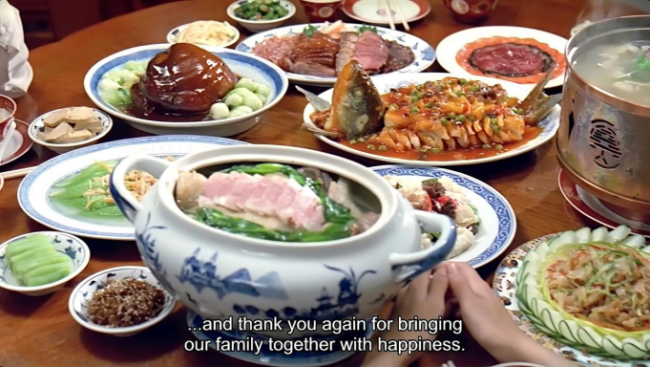
无论是好意思剧、韩剧中频繁出现的中餐镜头,照旧推行生计中遍布各地的中餐馆,中国经管凭借其千百年来积淀的烹调忠良,柬埔寨曝光群突破了语言与地域的辞谢,取得天下门客的赞佩。“大熊猫”看成中国特有的文化表征早已卓越其生物属性,成为中国对外宣传中极具辨识度的文化符号。从早期的“熊猫应对”到2022年北京冬奥会爆火的“冰墩墩”,熊猫凭借其憨态可掬的形象,俘获了天下各地东谈主们的心,成为当之无愧的“人人顶流”。“中国好意思食”与“大熊猫”正以其特有的亲和力,向天下展现出友好、包容的中国形象。被这些文化符号“战胜”的异邦后生东谈主也远不啻塔莎一东谈主。

在构建海传说播叙事体系的配景下,泄漏度和赞佩度同等蹙迫。为了让更多异邦东谈主了解中国,咱们需要打造出有名气的文化符号。《寰球人心指数——临近国度篇(2024)》指出,连年来中国文化符号在临近国度公众中的默契度和影响力捏续增强。其中,长城、技击(中国功夫)和春节的默契比例最高,中国经管、汉语(汉字)、熊猫等也受到了普通善良。这些文化符号灵验镌汰了跨文化分解的门槛,构建起异邦公众对中国文化的初步印象。
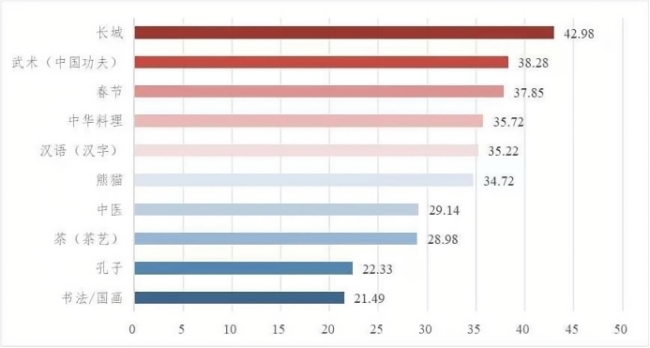
图为临近国度公众最了解的10个中国文化符号(单元:%)
在文化对传说播的经过中,文化符号犹如一张张柬帖,让外界快速识别出中国文化。天然,要是传播仅停留在符号展示层面,则容易被简化为单薄的标签。“符号”不错看成文化对话的起首,但毫不应成为止境。确切的文化传播不仅要依赖符号的重叠输出,更应效率创造切肉体验和互动调换的机会,让异邦友东谈主完成从“了解文化符号”到“分解中国文化”的久了曲折。
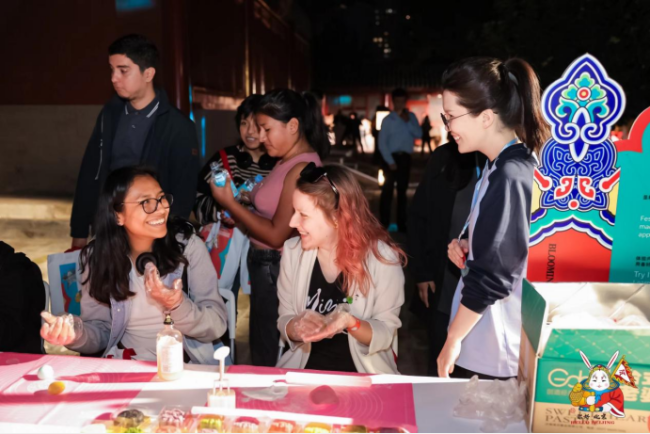
图为异邦旅客在中国体验非遗文化
采访前,塔莎用“故宫”“熊猫”“丝绸”“茶”等词汇形容了对中国的印象。在这次中国之行中,她进一步尝试了书道、国画与京剧等文化活动。这些经验固然不及以让她竣工地分解中国文化,却距离她学习汉文的初志更进一步——听懂当地东谈主讲话,走进真实的中国。
 嫂子福利导航
图为塔莎在中国印象·沙龙活动现场
在活动体验中,塔莎感受到的不仅仅一个个书面上的文化符号:当手指轻触形容沉山河的宣纸肌理,当京剧戏服与行头披在T恤衫除外,那些被语言统称为“中国风”的文化元素,带着温度与呼吸向异邦东谈主展现出鲜美的文化生命力。亲历的技巧如同涓涓细流冲刷着文化隔膜的壁垒,最终在别国体验者的精神天下留住一个立体而鲜美的中国印象。
包袱剪辑:何博媛
Beyond Cultural Symbols: Encountering the Real China Through Personal ExperienceEditor's Note: In the process of international cultural dissemination, "symbols" often play a crucial role as icebreakers. Currently, these concise cultural identifiers are capturing the attention of foreign audiences, sparking their increasingly strong interest in Chinese culture. Tasha, a Russian participant interviewed at the China Soong Ching Ling Foundation's Junior Cultural Ambassadors event, began her exploration of Chinese culture influenced by these symbols, and through her genuine experiences, she is now painting a more comprehensive and three-dimensional picture of China.
Tasha (Шахова Таисия Алексеевна) from Russia is in her fifth year of learning Chinese. Her journey into Chinese began with a simple sentence to her mother: "I want to learn Chinese." With the help of her mother's friend, Tasha quickly embarked on her Chinese learning journey. Although her initial connection with China was coincidental, over these past five years, Tasha's interest in Chinese culture has grown stronger. "I love traveling, especially to China," she says. Despite the challenges of learning Chinese, Tasha hasn't given up: "I hope to understand what locals are saying; that's my motivation to keep learning."
As Tasha's introduction to China, the Chinese language helped her open a door to dialogue with the country. As her studies deepened, those unfamiliar characters gradually corresponded with her impressions of Chinese culture. "'Food' and 'panda' were words I actively learned," Tasha recalled, "because I really like them." Among Chinese dishes, her favorite is cold tofu with chopped green onions(小葱拌豆腐). "This dish is simple and easy to make; I often cook it for my family." Besides this, Tasha has also learned to fry eggs and cook porridge, hoping to bring more Chinese flavors home. When the topic turned to pandas, Tasha couldn't help but smile. "They are so cute!" For the sake of pandas, she specifically learned about "the hometown of pandas" – Sichuan. "I know there's very famous hot pot there!" Although Tasha couldn't see pandas on this trip, hot pot has already been added to her culinary plans.
Whether it's the frequent appearances of Chinese food in American and Korean dramas, or the ubiquitous Chinese restaurants in real life, Chinese cuisine, with its culinary wisdom accumulated over thousands of years, has broken down language and regional barriers, winning the hearts of diners worldwide. The "Giant Panda," as a unique cultural representation of China, has long transcended its biological attributes, becoming a highly recognizable cultural symbol in China's external promotion. From early "Panda Diplomacy" to the viral "Bing Dwen Dwen" at the 2022 Beijing Winter Olympics, pandas, with their endearing image, have captivated people around the world, becoming true "global icons." "Chinese cuisine" and "Giant Pandas" are using their unique approachability to present a friendly and inclusive image of China to the world. And Tasha is far from the only foreign young person "conquered" by these cultural symbols.
In the context of constructing an international communication narrative system, awareness and liking are equally important. To enable more foreigners to understand China, we need to create readily recognizable cultural symbols. The Global Public Opinion Index – Neighboring Countries (2024) points out that in recent years, the recognition and influence of Chinese cultural symbols among the public in neighboring countries have continued to increase. Among them, the Great Wall, Wushu (Chinese Kung Fu), and the Spring Festival have the highest recognition rates, while Chinese cuisine, Chinese language (characters), and pandas have also received widespread attention. These cultural symbols effectively lower the threshold for cross-cultural understanding, thereby building a preliminary impression of Chinese culture among foreign publics.
In the process of international cultural dissemination, cultural symbols are like business cards, allowing the outside world to quickly identify Chinese culture. Of course, if dissemination only stays at the level of symbol display, it can easily be reduced to superficial labels. "Symbols" can be the starting point for cultural dialogue, but they should never be the end. True cultural communication should not only rely on the repeated output of symbols but also focus on creating opportunities for personal experience and interactive communication, allowing foreign friends to complete a profound transformation from "understanding cultural symbols" to "understanding Chinese culture."
Before the interview, Tasha described her impressions of China using words like "Forbidden City," "panda," "silk," and "tea." During this trip to China, she further tried cultural activities such as calligraphy, traditional Chinese painting, and Peking Opera. Although these experiences are not enough for her to fully understand Chinese culture, they bring her closer to her original intention of learning Chinese – understanding what locals say and stepping into the real China.
During the activity, Tasha felt more than just abstract cultural symbols. When her fingers lightly touched the texture of Xuan paper(宣纸) depicting a thousand miles of rivers and mountains, and when Peking Opera costumes and headwear were draped over her T-shirt, those cultural elements collectively referred to as "Chinese style" in language, displayed a vibrant cultural vitality to foreigners with warmth and breath. These personal moments were like trickling streams washing away the barriers of cultural differences, ultimately leaving a three-dimensional and vivid impression of China in the minds of foreign culture experiencers.
- 上一篇:济宁村里群骂架视频曝光
- 下一篇:阳光导航